
Contemporary Residential Architecture in Edinburgh
Thoughtful, sustainable architecture that enhances how
people live. From extensions and renovations to new homes
— designed with clarity, care, and context. View my recent projects.
About JKA Architecture
I’m Jan Kabelka, a residential architect based in Edinburgh, working on residential projects across Scotland and the UK. My work focuses on creating homes that feel timeless, efficient and connected to the people who live in them.I bring together design clarity, technical precision and a practical understanding of efficient organisation of spaces. With experience from both the UK and the Czech Republic — including working with McLaren Murdoch & Hamilton Architects in Edinburgh — I’ve developed an approach that’s collaborative, detail-driven and responsive to context. If you're planning an extension, my guide on planning permission in Edinburgh may also help.Whether it’s a new build, an extension or a renovation, I help homeowners make the most of their space — improving flow, light and everyday comfort.If you’d like to understand what I can help you with, explore my Services section. For more practical details about the process, visit the FAQ or explore my guides on architect fees and extension costs. Use my calculator for your house extension cost estimation.

What clients say
Here’s what recent clients say about working with me.
Practical Ingenuity
"We felt an immediate understanding with Mr Kabelka from our very first meeting. We particularly appreciate his reliability, creativity, willingness to adapt to different requirements, and his highly practical approach."
Pavel Mádr
Efficient Communication
"Whenever we were uncertain, Mr Kabelka offered several design options or refined our ideas with the right structure. We also valued his broad knowledge of how to solve renovation challenges."
Pavel Fadrhonc
A Keen Eye for Detail
"I greatly appreciate Mr Kabelka’s outstanding attention to detail. He can clearly explain the benefits of his designs while remaining open and attentive to the client’s practical and aesthetic requirements."
Karel Schmidt
Architecture isn’t just about form or style — it’s about people and their routines.
I enjoy finding smart ways to use space efficiently, turning limitations into advantages, and designing homes that quietly make life better.
How I Work – 5 Steps to Your Project
The process follows RIBA project stages, ensuring your extension runs smoothly from concept to completion.
1. Initial consultation
We´ll discuss goals, budget, potential constraints and project deliveries.
2. Concept design
We will develop the most appropriate design based on the brief.
3. Planning & Warrant
Project drawing packages, submission and liaison with authorities.
4. Detailed design
Construction drawings and specifications, tender support. Upon request.
5. Construction support
Contractor coordination and site checks (contract administration).
Frequently asked questions
Clear answers to common questions about working with an architect in Edinburgh — from timelines and budgets to planning and process.
Process & Permissions
Q: What is the overall process of a project?
A: The process generally follows the RIBA project stages — from defining the brief, through concept design and permissions, to technical drawings, tendering and on-site support. You can see a short visual overview here.
Q: Can you manage the whole process from design to completion?
A: Yes. I can guide you from the first sketch through planning, tendering and on-site coordination — or tailor my involvement to specific stages if you prefer.
Q: What happens at the first meeting?
A: We’ll discuss your ideas, needs and priorities. You’ll get a clear overview of possible next steps, expected timelines, and how I can help move the project forward.
Q: How long does a project take?
A: It depends on the scope of work. The concept stage of a small project usually takes up to 4 weeks, a mid-size project up to 3 months, and larger projects longer.Planning and warrant times vary, but I’ll guide you through the full timeline and adapt to the current market situation regarding tendering and construction.As an example, a typical small extension — from first ideas to completion — takes roughly 8 months.
Q: Do I need planning permission?
A: Many smaller extensions fall under permitted development, meaning no planning permission is needed. Others, especially those in conservation areas, do require approval. I’ll confirm this early and manage the process for you. Read the full guide on my blog.
Fees, Budget & Communication
Q: How much does it cost to work with JKA Architecture?
A: Fees vary depending on the project scope — for example, compare a 20 m² extension with a 150 m² new home.As a guide: concept design for a small extension starts from £500, planning packages from £1,250, and building warrant drawings from £1,750.In general, architectural services represent about 8% of the total construction cost — usually a higher proportion for smaller projects and lower for larger ones.Once we define your brief, I’ll prepare a clear, fixed proposal.
Q: What are other costs related to a project?
A: Additional costs depend on scope and may include:
– maps (usually under £100)
– measured or ground surveys (£500–2,000)
– structural engineer’s fee (£1,000–2,000)
– planning and warrant fees (£300–500 each)
– quantity surveyor´s fees (£500–2,000, optional but useful)These items vary by project, and we refine them together during the concept stage.
Q: What budget should I plan for?
A: Budgets depend on size, specification and complexity. As a guide, expect £2,200–£3,200/m²* for single-storey extensions, and £2,000–£2,700/m²* averaged for two-storey extensions.Kitchens, bathrooms, finishes and landscaping are always excluded from the build-only rate.Typical 4 m² bathroom: £7,000–£10,000*Typical small kitchen: £5,000–£8,000*To ensure your budget is realistic from the start, we can involve a quantity surveyor or potential contractors early in the process — sometimes even at concept or planning stage — so costs stay aligned with your goals from day one.*prices excl. VATRead more on extension costs here.
Q: Can I get an early cost estimate before design?
A: Yes. You can use the house extension calculator for an indicative budget, which we then refine during the concept stage.
Q: Do you work on projects outside Edinburgh?
A: Yes — I take on projects across Scotland and occasionally collaborate remotely on others in the UK.
Q: How can I get started?
A: You can book a free 30-minute online consultation or send your project details via the contact form. I’ll respond personally within 48 hours.
Insights & Guides
Practical advice on planning, design and building in Edinburgh. Up-to-date insights to help you make informed decisions.
Do I Need Planning Permission in Edinburgh? A Simple Guide for Homeowners (2025)
A clear overview of permitted development, conservation areas and how planning works in Edinburgh. Read more.
How Much Does an Extension Cost in Scotland (2025)? Realistic Budget Guide
Breakdown of costs, surveys, engineers, fees and build cost per sqm.. Read more.
Architect Fees in the UK Explained (What You Actually Get for Your Money)
Transparent explanation of RIBA stages, fees and value. Read more.
Architect Fees in the UK Explained (What You Actually Get for Your Money)
Hiring an architect can feel unclear at first — especially when every practice seems to price their work a little differently. My goal here is to give you a simple, transparent overview of how architectural fees usually work in the UK, what’s included at each stage of a project, and how I approach pricing when you work with me.
How Architects Typically Structure Their Fees
Across the UK (and elsewhere), architects generally use three pricing systems, sometimes mixing them depending on the task:
Percentage of the construction cost — often 8–12% for residential projects for full service
Lump-sum (fixed) fees for clearly defined stages
Hourly rates — usually used for smaller tasks or additional services, or some special tasks where is difficult to predict the amount of work needed
In my own practice, I often combine these depending on the project’s scope. For example, early concept design or planning drawings typically incur a fixed fee. More complex coordination may involve a percentage, while small consultations or additional pieces of work are often best handled through an hourly rate (£50–£100/hr, depending on scope and duration).This flexibility helps match the fee to the actual work needed — not more, not less.
What You’re Paying For — A Clear Look at the Main Stages
Although every project is different, most residential work follows a clear sequence. Here is what each stage involves and how architects typically support you.
1. Initial Consultation & Brief Development
This is where we discuss your goals, budget, constraints and ideas. You get early guidance on feasibility, planning considerations and project direction. I offer a free 30-minute initial consultation, which you can book here.
2. Concept & Spatial Design
At this stage, I develop layout options, explore how the space works, and help you compare different approaches. This gives you clarity before committing to planning or technical work.
3. Planning Permission & Building Warrant Drawings
This covers the production of clear plans, elevations, supporting information, and submission management.
Fixed fees are common here because the scope is easier to define. Wonder if you need planning permission - check this article.
4. Detailed & Construction Design
If you want support beyond planning, I produce technical drawings, specifications and details that a contractor can price and build from. This is the part many homeowners overlook — but it’s also where the biggest value lies, because it helps avoid unexpected costs later.
5. Tendering & On-site Support
Some clients prefer full support during pricing and construction. This can include speaking with contractors, checking drawings on site, clarifying details, and helping the build run smoothly.
For this phase, I charge time-based fees — either weekly contract-administration fees or an ,hourly rate.
Typical Fee Ranges for Extensions & Home Projects
While every project is different, UK residential architect fees usually fall into these broad ranges:
Brief & Concept: £500+
Planning drawings for a small extension: typically £1,200–£2,000
Building Warrant drawings: usually £1,500–£2,500
Full service (concept to completion): often 8–12% of construction cost
Higher complexity, conservation areas, tight sites or structural coordination naturally increase the time required — and therefore the fee.If you want a fuller breakdown including construction costs, you can read my guide on extension budgets here.
How I Approach Fees
When you work with me, I break the project into clear stages so you always know what you’re paying for:
A fixed fee for concept + planning
A fixed fee or percentage for technical design, depending on scope
Optional hourly support (£50–£100/hr) for consultations, small additions or project-specific extras
No hidden extras — every stage is quoted in advance
This structure gives you certainty and flexibility, especially if you want to start small and expand the scope later.
If You’re Thinking About Starting a Project
If you'd like a clear fee proposal tailored to your extension, renovation or new build, I’m happy to prepare one. The first conversation is always free — we can look at what you’re planning and which fee approach would fit you best.
How Much Does an Extension Cost in Scotland (2025)? A Realistic Guide for Homeowners
If you’re planning an extension in 2025, one of the first questions is naturally the cost. While prices always vary depending on design, materials and site conditions, there is a consistent range used by contractors and architects across Scotland today.Based on current cost guides, tender data and recent domestic work in Edinburgh, a realistic allowance for a contractor-built single-storey extension is:£2,200–£3,200 per m² (build-only, ex VAT).This reflects standard construction with typical insulation, a simple roof form, standard glazing and mid-range finishes. More glazing, complex steelwork, awkward access or bespoke interiors can push costs higher.Two-storey extension price is more cost-effective:£2,000–£2,700 per m² (build-only, ex VAT).
What This Means in Practice
20 m² rear extension
Build cost: £44,000 – £64,000
Total project: £55,000 – £75,000+ (with design, surveys, engineering, statutory fees, contingency)30 m² kitchen/dining extension
Build cost: £66,000 – £96,000
Total project: £80,000 – £105,000+These totals depend heavily on specification. A simple insulated shell is one thing; a fully fitted kitchen with large glazing is another.
House Extension Cost Calculator
You can also use my house extension cost calculator to get an initial budget range before speaking to an architect.
What “Build-Only” Typically Covers
Included:
Foundations, drainage, substructure
Walls, insulation, roof structure
Standard windows & external doors
First-fix electrics and plumbing
Plasterboard/plaster and basic internal finishes
Not Included:
Kitchens, bathrooms, bespoke joinery
High-end finishes, flooring upgrades, landscaping
Professional fees (architect, engineers), surveys, statutory fees, VAT, contingency
Kitchens & Bathroom costs
Kitchens, bathrooms, finishes and landscaping are always excluded from the build-only rate.Typical 4 m² bathroom: £7,000–£10,000Typical small kitchen (approx 4 modules): £5,000–£8,000
Other Costs to Plan For
Because build-only rarely tells the whole story, you should budget separately for:
Measured or ground survey/s — often £300–£1,200 depending on property and complexity
Structural engineer — typically £900–£2,000+ for small domestic extensions
Statutory fees (planning / building warrant) — ~£300–£500 depending on local authority
Architect / design fees — full-service packages often cost 8–12% of construction cost, or fixed-fee for planning + warrant services (depending on scope) + weekly fee for contract administration
Contingency — at least 10–15% for simple projects, 15–25% for complex or two-storey builds
Why It’s Worth Getting a Professional Estimate
Costs vary dramatically depending on site conditions, specification (finish level, glazing, glazing-to-wall ratio), structural requirements, and interior fit-out. Published cost-per-m² bands offer a good baseline, it´s always worth starting with sensible expectations and hiring an architect or experienced professional early can actually save you money — by identifying risks, optimising layout and avoiding expensive redesign during build.
Interested? Let’s have a chat
Do I Need Planning Permission in Edinburgh? A Simple Guide for Homeowners (2025)
If you’re planning an extension, loft conversion or alterations to your Edinburgh home, understanding when planning permission is needed can save a lot of time and stress.Here’s a practical, homeowner-friendly overview based on current Scottish and Edinburgh guidance.
What Are Permitted Development Rights?
In Scotland, many small changes to a house (not flats) can be carried out without planning permission under Permitted Development Rights (PDR). These rights are often restricted for:
Flats and maisonettes
Listed buildings
Homes in conservation areas
New-builds with conditions removing PDR
Edinburgh has more conservation areas than most cities, so restrictions are common.
Common Works That Often Don’t Need Planning Permission
Small Rear Extensions
Usually permitted if they stay within size and height limits:
single-storey
max 2.5 m eaves height
max 4 m total height (dual pitch) or 3 m (other roofs)
at least 1 m from boundaries
not more than half of your original garden developed
Loft Conversions & Rear Dormers
Usually permitted if:
no dormer on the front roof slope
the extension stays within volume/height limits
materials match the existing roof
Outbuildings (Sheds/Studios)
Typically allowed if:
single-storey
2.5 m eaves / 4 m dual-pitch max height
at least 1 m from boundaries
not in the front garden
combined garden coverage under 50%
Internal Alterations
Nearly always permitted. (But Building Warrant is still required for structural changes.)
When Planning Permission Is Required
You will likely need full planning permission for:
Front or side extensions
Two-storey extensions
Front dormers
Visible roof alterations
Extensions that exceed PDR limits
Alterations in conservation areas
New driveways that alter walls/railings
Large outbuildings or garden rooms used as studios/gyms/offices
Edinburgh is strict on changes visible from the street, especially windows, railings and rooflights. Sometimes, we can take into consideration specific site characteristics and examples.
Edinburgh-Specific Considerations
Conservation Areas
Much of the city is covered. Expect planning permission for:
window replacements
rooflights on front elevations
boundary wall changes
almost any visible external alteration
uPVC is generally not accepted in historic areas.
Listed Buildings
Most work (internal or external) requires Listed Building Consent in addition to planning.
Building Warrant — Separate From Planning
Even if planning permission is not required, a Building Warrant usually is.Warrants are required for:
extensions
structural changes
drainage changes
most loft conversions
garage conversions
How to Quickly Check Your Own Property
Check if you're in a conservation area (Edinburgh Local Development Plan).
Confirm if the house has restricted PDR (common for new-builds). You can check quick Edinburgh Planning Guides (e.g. for Extensions)
Review the Edinburgh Householder Guidance.
If unsure, apply for a Certificate of Lawfulness for confirmation.
Typical Reasons Applications Get Refused
Loss of privacy or overshadowing
Failing the 45-degree daylight test
Overdevelopment (less than 50% garden retained)
Inappropriate materials in conservation areas
Extensions not “subservient” to the original house
Need Help Understanding Your Own Property?
Every home and street in Edinburgh is a bit different — especially in conservation areas.If you’re unsure, I can help you check how your idea relates to planning conditions.
whether your idea fits permitted development
planning risk and timescales
building warrant requirements
design options that are more likely to be approved
Book a free 30-minute consultation to see whether I can be of help for your new project.


What I Do
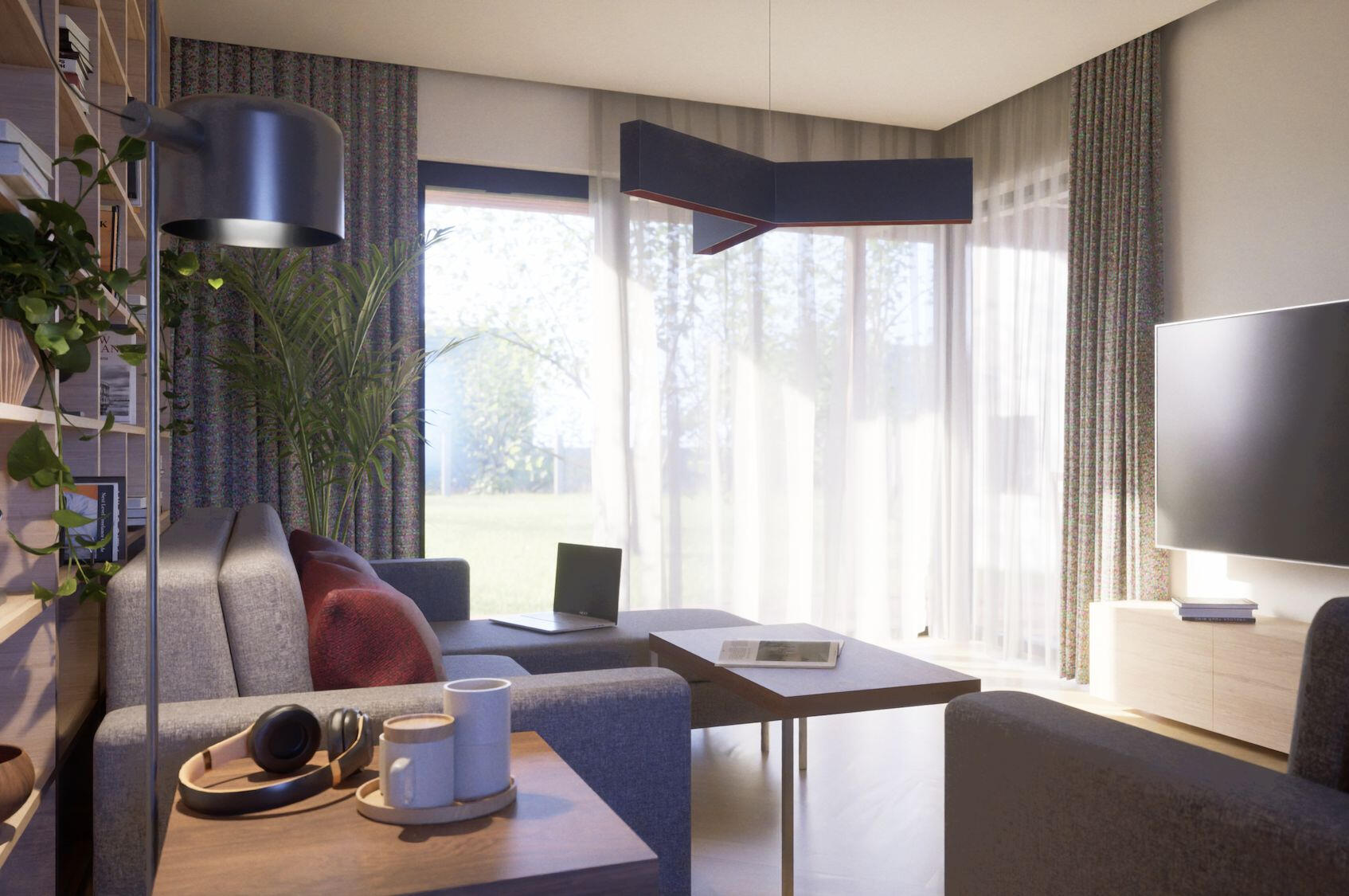
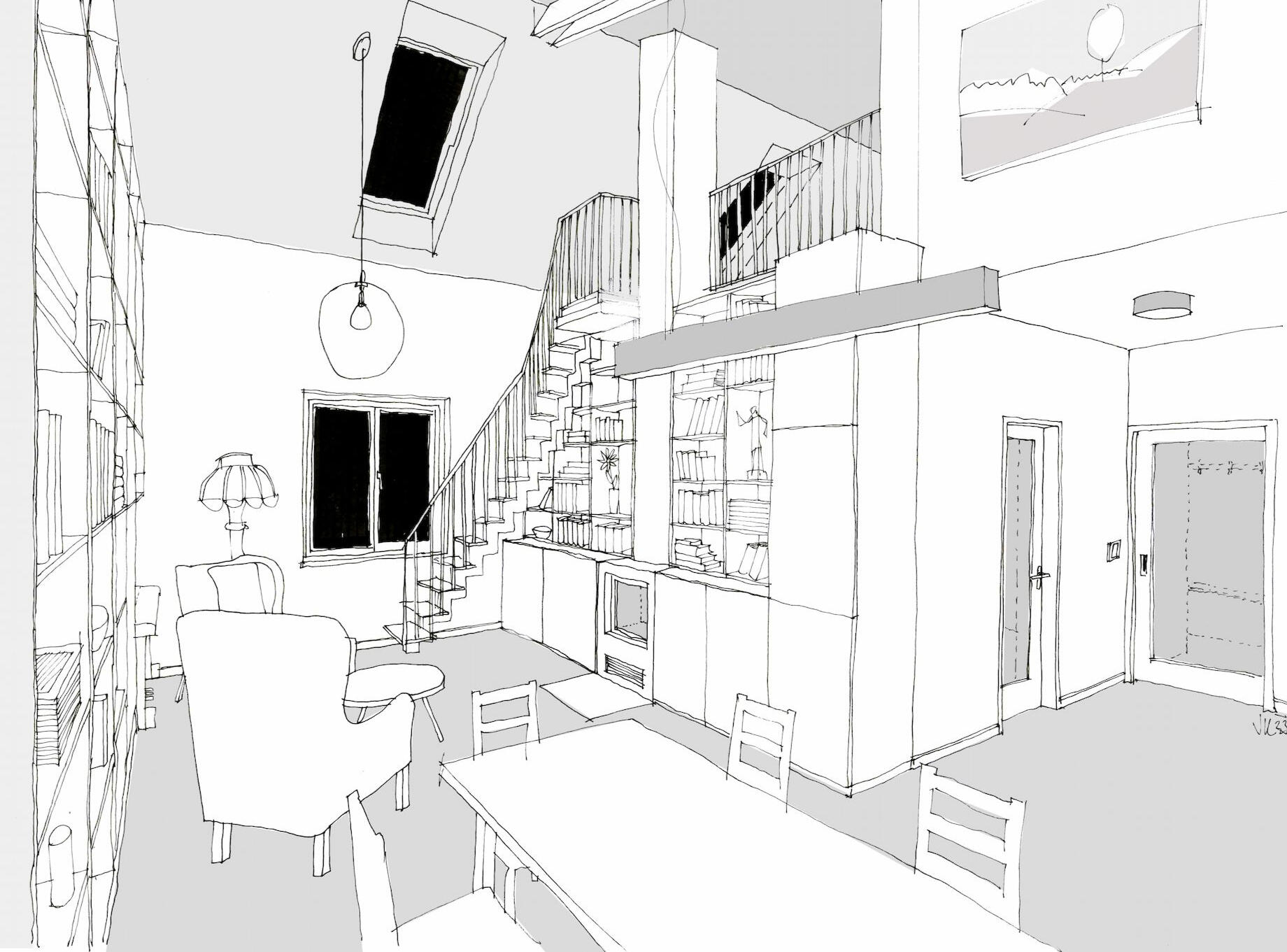
At JKA Architecture, I help homeowners design, plan and deliver high-quality residential projects — from small extensions to full home refurbishments and new builds. Every project begins with understanding how you live and what you value most, leading to architecture that feels personal, practical and timeless.Whether you’re extending, renovating or building from scratch, I’ll guide you from the first sketch to completion — ensuring the result fits your lifestyle, context and budget.If you’re curious about how the process works in practice, or about prices, budgets, and timelines, you can find more details in the FAQ section.
Services include
Concept & Feasibility Design – exploring options, layouts and budgets to find the right direction.
Planning & Building Warrant Applications – preparing clear, accurate submissions and managing communication with local authorities.
Detailed & Construction Drawings – producing technical information for pricing and on-site coordination.
Tendering & Contractor Liaison – supporting the selection of reliable builders and ensuring a smooth transition to construction.
On-site Inspections & Project Support – providing design oversight, site visits and advice during the build process.
Interior & Spatial Design– refining proportions, materials and finishes for cohesive results inside and out.
You can overview the process of work here.
How much does a house extension cost in Edinburgh in 2026?
This professional extension cost calculator helps you estimate costs for single-storey and two-storey extensions in Scotland, including architect fees by RIBA stage, structural engineer costs, building warrant fees, and planning permission costs.Calculate accurate budgets for your Edinburgh extension project based on current 2026 construction costs, professional fees, and statutory requirements.Actual costs vary depending on site conditions, design complexity, specification, procurement route, and market conditions. For a reliable project budget, costs should always be reviewed with an architect and, where appropriate, a quantity surveyor.
Architect Fees for Edinburgh Extensions
For smaller extension projects (less than £50k), it is common to use a fixed fee. Fees will be most likely £500+ for the measured survey, £500+ for a concept, £1200-2000 for planning and £1500-2500 for a building warrant. Read more about an architect´s fees here.
This calculator does not replace professional cost advice and should not be used as a contract sum or tender estimate.
Open calculator in full screen here.
Ready to talk about your project?
Whether you’re planning a house extension, a home renovation or a new-build project, I’d be happy to hear about your ideas. The first conversation is free — we’ll look at your goals, budget and the next practical steps to move your project forward.If you’d like to understand my approach as an architect, you can start with the About page, explore Projects to see the type of residential work I specialise in, and review the Services I provide — from early design to full project delivery.For practical questions about timelines, planning permission, fees or working with an architect, the FAQ and blog section offer clear guidance.You can schedule a 30-minute online consultation or simply leave a few details below. I’ll respond personally within 48 hours.Let’s turn your plans into a home that’s well-designed, practical and built to last.
Privacy policy
At JKA Architecture, I respect your privacy and only collect the information necessary to respond to your enquiry or deliver our services. This may include your name, email address, and project details provided through the contact form or consultation booking.Your information is stored securely and never shared with third parties except when required for professional purposes (for example, to coordinate with consultants or local authorities) — and only with your consent.If you’d like to access, update, or delete your data, please get in touch at [email protected]
Terms of Use
All content on this website — including text, images, and design — is the property of JKA Architecture and may not be reproduced without permission.The information provided here is for general guidance only and may change over time. While every effort is made to keep it accurate, JKA Architecture is not responsible for any loss resulting from reliance on the content of this website.By using this site, you agree to these terms.